


Can the electromagnetic heating furnace flat type reshape the precision paradigm of industrial and laboratory heat treatment?
Release Time : 2025-11-13
In modern materials processing, chemical synthesis, and precision manufacturing, unprecedented demands are placed on the stability, uniformity, and response speed of temperature control. Traditional resistance wire or gas heating methods, due to their large thermal inertia, low energy efficiency, and localized overheating, are increasingly unable to meet the needs of high-end applications. The electromagnetic heating furnace flat type, with its non-contact induction heating principle and integrated planar structure design, is becoming a revolutionary heat source device in laboratory reactors, semiconductor processes, thin film annealing, and small-batch material heat treatment, offering millisecond-level response, global temperature control, and ultra-high energy efficiency.
The core of the electromagnetic heating furnace flat type lies in its direct heating mechanism based on electromagnetic induction. A high-density copper induction coil is embedded inside the device, generating an alternating magnetic field when high-frequency alternating current is applied. When a magnetically conductive metal container (such as the bottom of a stainless steel or carbon steel reactor) is placed on the heating plane, its bottom rapidly heats up due to eddy current effects and hysteresis losses. The heat is generated within the container itself and conducted to its contents. This process bypasses the intermediate heat transfer stage involving air or a heating plate, achieving highly efficient energy conversion with the container itself as the heat source. Thermal efficiency can reach over 85%, far exceeding the 40%–60% of traditional electric heating plates.
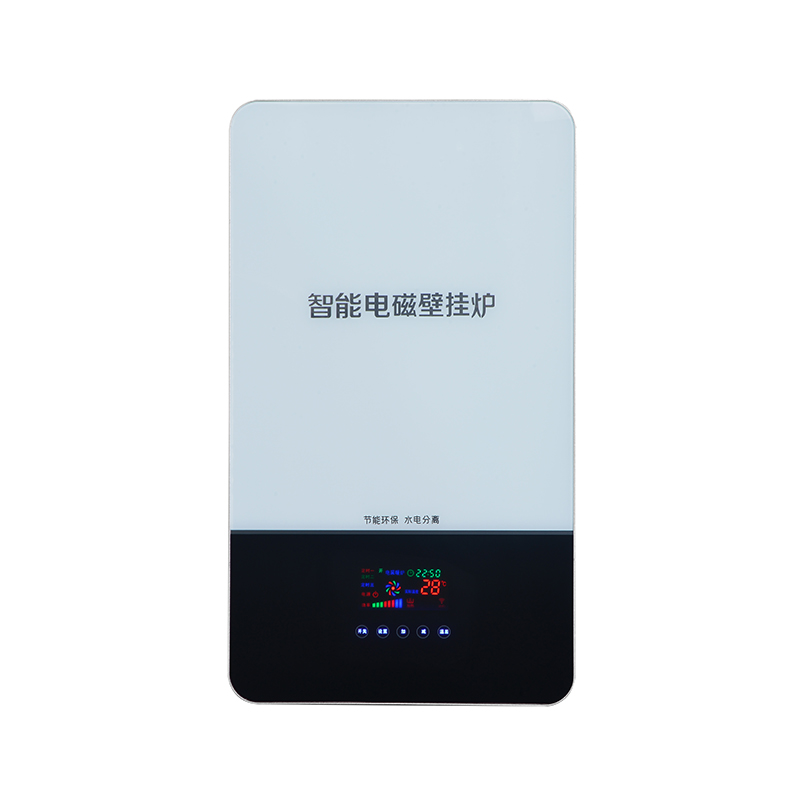
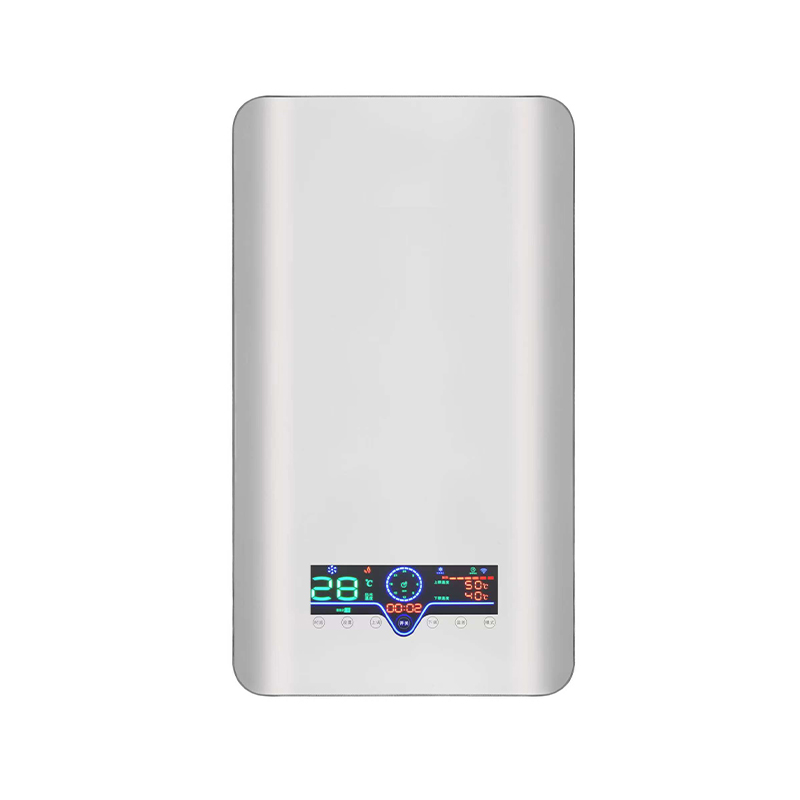
Its signature feature—a fully flat, integrated heating platform—not only gives the equipment a minimalist aesthetic but also delivers exceptional practicality. The surface typically uses high thermal conductivity silicon nitride ceramic or microcrystalline glass panels, withstanding temperatures up to 600℃ and possessing excellent thermal shock resistance and chemical inertness, resisting acid and alkali splashes and frequent temperature fluctuations. The smooth, seamless design facilitates cleaning and maintenance, preventing dirt accumulation, making it particularly suitable for GMP workshops or cleanroom environments. Simultaneously, the flat surface supports parallel heating of multiple containers, increasing experimental throughput.
Temperature control precision is a key technological highlight. An integrated high-sensitivity infrared temperature measurement or thermocouple feedback system, combined with a PID algorithm and IGBT high-frequency power regulation module, achieves temperature control stability within ±1℃. The heating rate is adjustable, ranging from gentle gradient heating to rapid ascent to the set temperature, meeting the heat treatment curve requirements of different materials. Some high-end models support programmable temperature control, with preset multi-stage heating-holding-cooling processes for automatic execution of complex thermal processes.
Safety and intelligence are also upgraded simultaneously. The equipment is equipped with multiple protection mechanisms: automatic no-load detection to prevent coil overheating, overcurrent/overvoltage protection to ensure circuit safety, and an over-temperature fuse as a last line of defense. The outer shell uses heat-insulating materials and a forced air cooling system to ensure safe operating surface temperature. It can be connected to a Laboratory Information Management System (LIMS) via RS485, Modbus, or Wi-Fi interfaces for remote monitoring, data logging, and fault diagnosis.
In terms of applications, the flat-type electromagnetic heating furnace demonstrates broad adaptability. It is used in chemical laboratories for reflux, distillation, or catalytic reactions; in materials science for preheating powder sintering precursors; in the electronics industry for PCB solder paste reflow or chip packaging curing; and even in food research and development for precise temperature-controlled cooking. Its flameless, low-radiation, and silent operation significantly improves the working environment.
More profoundly, it promotes green and lean experimental concepts. Energy acts solely on the target container, with minimal temperature increase in the surrounding environment, reducing air conditioning load; there are no combustion products, resulting in zero carbon emissions; and rapid start-up and shutdown eliminate standby power consumption. These advantages make it a crucial component of sustainable research infrastructure.
In summary, the electromagnetic heating furnace flat type is not a simple replacement for traditional electric furnaces, but rather an intelligent thermal platform integrating electromagnetics, thermal control, and industrial design. It drives tangible heat with an invisible magnetic field, bearing precise temperatures of thousands of degrees in a flat surface, achieving ultimate temperature control in silence. When a reaction vessel is uniformly heated on a smooth surface, it represents the silent reconstruction of traditional heat treatment paradigms by electromagnetic induction technology—not only an evolution in heating methods, but also a crucial step towards efficient, clean, and intelligent scientific research and manufacturing.
The core of the electromagnetic heating furnace flat type lies in its direct heating mechanism based on electromagnetic induction. A high-density copper induction coil is embedded inside the device, generating an alternating magnetic field when high-frequency alternating current is applied. When a magnetically conductive metal container (such as the bottom of a stainless steel or carbon steel reactor) is placed on the heating plane, its bottom rapidly heats up due to eddy current effects and hysteresis losses. The heat is generated within the container itself and conducted to its contents. This process bypasses the intermediate heat transfer stage involving air or a heating plate, achieving highly efficient energy conversion with the container itself as the heat source. Thermal efficiency can reach over 85%, far exceeding the 40%–60% of traditional electric heating plates.
Its signature feature—a fully flat, integrated heating platform—not only gives the equipment a minimalist aesthetic but also delivers exceptional practicality. The surface typically uses high thermal conductivity silicon nitride ceramic or microcrystalline glass panels, withstanding temperatures up to 600℃ and possessing excellent thermal shock resistance and chemical inertness, resisting acid and alkali splashes and frequent temperature fluctuations. The smooth, seamless design facilitates cleaning and maintenance, preventing dirt accumulation, making it particularly suitable for GMP workshops or cleanroom environments. Simultaneously, the flat surface supports parallel heating of multiple containers, increasing experimental throughput.
Temperature control precision is a key technological highlight. An integrated high-sensitivity infrared temperature measurement or thermocouple feedback system, combined with a PID algorithm and IGBT high-frequency power regulation module, achieves temperature control stability within ±1℃. The heating rate is adjustable, ranging from gentle gradient heating to rapid ascent to the set temperature, meeting the heat treatment curve requirements of different materials. Some high-end models support programmable temperature control, with preset multi-stage heating-holding-cooling processes for automatic execution of complex thermal processes.
Safety and intelligence are also upgraded simultaneously. The equipment is equipped with multiple protection mechanisms: automatic no-load detection to prevent coil overheating, overcurrent/overvoltage protection to ensure circuit safety, and an over-temperature fuse as a last line of defense. The outer shell uses heat-insulating materials and a forced air cooling system to ensure safe operating surface temperature. It can be connected to a Laboratory Information Management System (LIMS) via RS485, Modbus, or Wi-Fi interfaces for remote monitoring, data logging, and fault diagnosis.
In terms of applications, the flat-type electromagnetic heating furnace demonstrates broad adaptability. It is used in chemical laboratories for reflux, distillation, or catalytic reactions; in materials science for preheating powder sintering precursors; in the electronics industry for PCB solder paste reflow or chip packaging curing; and even in food research and development for precise temperature-controlled cooking. Its flameless, low-radiation, and silent operation significantly improves the working environment.
More profoundly, it promotes green and lean experimental concepts. Energy acts solely on the target container, with minimal temperature increase in the surrounding environment, reducing air conditioning load; there are no combustion products, resulting in zero carbon emissions; and rapid start-up and shutdown eliminate standby power consumption. These advantages make it a crucial component of sustainable research infrastructure.
In summary, the electromagnetic heating furnace flat type is not a simple replacement for traditional electric furnaces, but rather an intelligent thermal platform integrating electromagnetics, thermal control, and industrial design. It drives tangible heat with an invisible magnetic field, bearing precise temperatures of thousands of degrees in a flat surface, achieving ultimate temperature control in silence. When a reaction vessel is uniformly heated on a smooth surface, it represents the silent reconstruction of traditional heat treatment paradigms by electromagnetic induction technology—not only an evolution in heating methods, but also a crucial step towards efficient, clean, and intelligent scientific research and manufacturing.