


How does an arc-shaped electromagnetic heating furnace ensure complete isolation between the heating coil and water circuit within its curved space?
Release Time : 2025-11-26
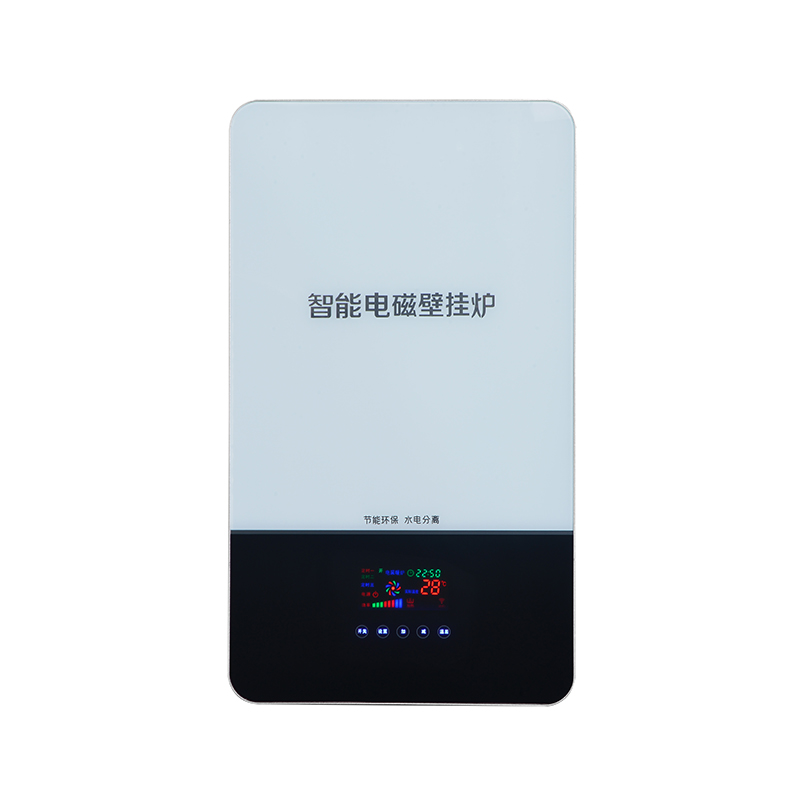
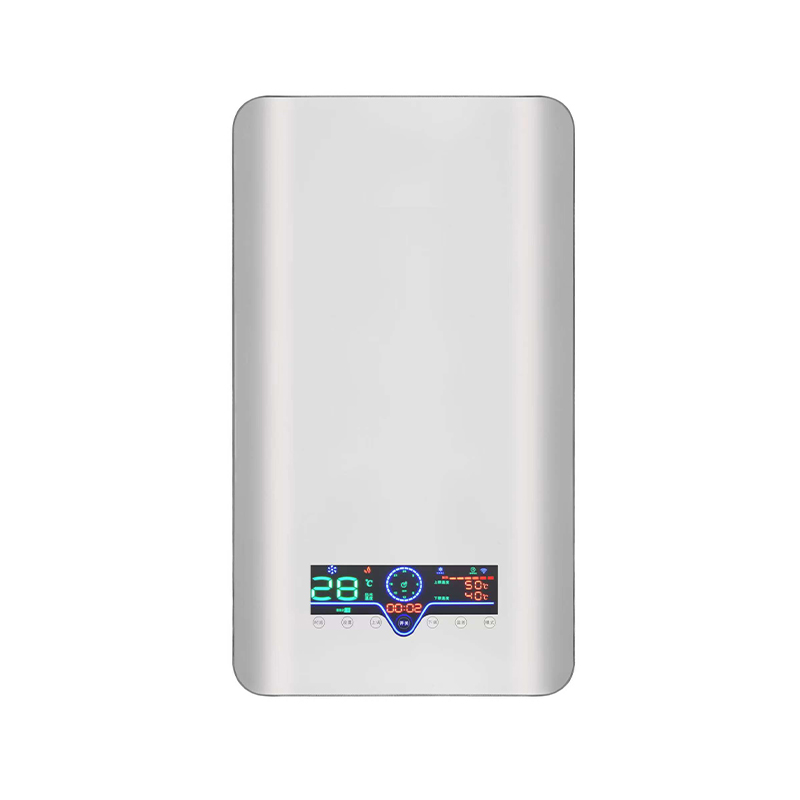
With the increasing demands for aesthetic and functional integration in home design, arc-shaped electromagnetic heating furnaces, with their smooth curved design, user-friendly operation, and high efficiency, are gradually becoming a favorite in high-end kitchens. However, achieving "water-electricity separation" in a non-planar structure—that is, ensuring complete isolation between the high-frequency electromagnetic coil system and any potential cooling water circuits or humid environments—is an extremely challenging engineering problem. Through innovative structural design, precision material application, and a collaborative intelligent control system, the arc-shaped electromagnetic heating furnace has not only successfully solved this technical bottleneck but also set a new industry benchmark in intelligent frequency conversion, durability, and energy conservation.
1. Water-Electricity Separation in an Arc-Shaped Structure: Multi-Layer Sealing and Spatial Zoning Design
Traditional flat-plate induction cookers, due to their regular structure, make water-electricity separation relatively easy to achieve. However, the curved panel and irregular internal space of the arc-shaped electromagnetic heating furnace place higher demands on component layout and sealing processes. To ensure safety, manufacturers employ a "physical isolation + multiple protection" strategy: First, the electromagnetic coil module and any potential water channels are placed in completely independent cavities, separated by high-strength insulating partitions; second, the coil windings are wrapped with a high-temperature resistant silicone sleeve or epoxy resin potting layer, forming the first waterproof barrier; finally, the entire electronic control module is encapsulated in a metal or engineering plastic housing with an IPX4 or higher protection rating using high-precision laser welding or ultrasonic sealing technology. Even in areas with the largest curvature, the penetration paths of moisture, condensate, or cleaning liquids are effectively blocked, truly achieving "electricity follows electrical paths, water follows water paths, and they do not interfere with each other."
2. Intelligent Frequency Conversion: Precise Temperature Control Enhances System Safety
While the curved structure is aesthetically pleasing, it also poses the risk of uneven heat dissipation. Therefore, curved electromagnetic heating furnaces commonly incorporate intelligent frequency conversion technology, dynamically adjusting the operating frequency and duty cycle by real-time monitoring of coil temperature, IGBT module status, and ambient humidity. When the system detects an abnormal rise in local temperature, it can automatically reduce the frequency or switch to intermittent heating mode to prevent overheating that could lead to aging of insulation materials or seal failure. Simultaneously, the intelligent frequency converter can automatically identify the effective heating area based on the position of the cookware, reducing energy output at the edges of the curved surface to prevent ineffective radiation and localized overheating, further reducing safety hazards. This closed-loop control of "sensing-response-adjustment" not only improves heating efficiency but also indirectly enhances the long-term reliability of the water-electricity separation system.
3. Durable: Dual Guarantee of Materials and Processes
To adapt to the mechanical stress and thermal expansion and contraction effects brought about by the curved structure, the curved electromagnetic heating furnace is particularly meticulous in the selection of materials for key components. The heating coil uses high-purity multi-strand Litz wire, wrapped with a Teflon insulation layer that can withstand temperatures above 200℃; the sealing ring is made of fluororubber, possessing excellent oil resistance, high-temperature resistance, and anti-aging properties; the curved microcrystalline panel undergoes tempering and ion-exchange strengthening treatment, increasing its bending strength by more than 3 times. These materials, combined with CNC precision molding and automated assembly processes, ensure that even under long-term high-frequency vibration and temperature cycling, the water-electricity isolation structure remains as robust as ever, resulting in a significantly longer lifespan than ordinary models.
4. Energy Saving and Environmental Protection: High-Efficiency Thermal Energy Utilization and Green Design Concept
The arc-shaped electromagnetic heating furnace inherits the inherent high energy efficiency advantages of electromagnetic heating—a thermal efficiency of over 90%, far exceeding that of gas and resistance heating. Combined with intelligent frequency conversion technology, the equipment only heats the effective area at the bottom of the pot, reducing heat loss; standby power consumption is less than 0.5W, meeting international Level 1 energy efficiency standards. More importantly, the water-electricity separation design eliminates the risk of leakage, eliminating the need for additional grounding protection or leakage switches, simplifying the circuit system and reducing resource consumption. Some high-end models also incorporate waste heat recovery logic, utilizing residual heat for insulation after shutdown, further embodying the energy-saving concept.
The arc-shaped electromagnetic heating furnace, while pursuing aesthetics and human-machine interaction, has not sacrificed safety and reliability. Through its innovative water-electricity separation structure, intelligent frequency conversion control, high-durability materials, and green energy efficiency design, it has successfully overcome the electrical safety challenges in curved spaces, providing modern kitchens with an ideal heat source that combines artistry and technology.
1. Water-Electricity Separation in an Arc-Shaped Structure: Multi-Layer Sealing and Spatial Zoning Design
Traditional flat-plate induction cookers, due to their regular structure, make water-electricity separation relatively easy to achieve. However, the curved panel and irregular internal space of the arc-shaped electromagnetic heating furnace place higher demands on component layout and sealing processes. To ensure safety, manufacturers employ a "physical isolation + multiple protection" strategy: First, the electromagnetic coil module and any potential water channels are placed in completely independent cavities, separated by high-strength insulating partitions; second, the coil windings are wrapped with a high-temperature resistant silicone sleeve or epoxy resin potting layer, forming the first waterproof barrier; finally, the entire electronic control module is encapsulated in a metal or engineering plastic housing with an IPX4 or higher protection rating using high-precision laser welding or ultrasonic sealing technology. Even in areas with the largest curvature, the penetration paths of moisture, condensate, or cleaning liquids are effectively blocked, truly achieving "electricity follows electrical paths, water follows water paths, and they do not interfere with each other."
2. Intelligent Frequency Conversion: Precise Temperature Control Enhances System Safety
While the curved structure is aesthetically pleasing, it also poses the risk of uneven heat dissipation. Therefore, curved electromagnetic heating furnaces commonly incorporate intelligent frequency conversion technology, dynamically adjusting the operating frequency and duty cycle by real-time monitoring of coil temperature, IGBT module status, and ambient humidity. When the system detects an abnormal rise in local temperature, it can automatically reduce the frequency or switch to intermittent heating mode to prevent overheating that could lead to aging of insulation materials or seal failure. Simultaneously, the intelligent frequency converter can automatically identify the effective heating area based on the position of the cookware, reducing energy output at the edges of the curved surface to prevent ineffective radiation and localized overheating, further reducing safety hazards. This closed-loop control of "sensing-response-adjustment" not only improves heating efficiency but also indirectly enhances the long-term reliability of the water-electricity separation system.
3. Durable: Dual Guarantee of Materials and Processes
To adapt to the mechanical stress and thermal expansion and contraction effects brought about by the curved structure, the curved electromagnetic heating furnace is particularly meticulous in the selection of materials for key components. The heating coil uses high-purity multi-strand Litz wire, wrapped with a Teflon insulation layer that can withstand temperatures above 200℃; the sealing ring is made of fluororubber, possessing excellent oil resistance, high-temperature resistance, and anti-aging properties; the curved microcrystalline panel undergoes tempering and ion-exchange strengthening treatment, increasing its bending strength by more than 3 times. These materials, combined with CNC precision molding and automated assembly processes, ensure that even under long-term high-frequency vibration and temperature cycling, the water-electricity isolation structure remains as robust as ever, resulting in a significantly longer lifespan than ordinary models.
4. Energy Saving and Environmental Protection: High-Efficiency Thermal Energy Utilization and Green Design Concept
The arc-shaped electromagnetic heating furnace inherits the inherent high energy efficiency advantages of electromagnetic heating—a thermal efficiency of over 90%, far exceeding that of gas and resistance heating. Combined with intelligent frequency conversion technology, the equipment only heats the effective area at the bottom of the pot, reducing heat loss; standby power consumption is less than 0.5W, meeting international Level 1 energy efficiency standards. More importantly, the water-electricity separation design eliminates the risk of leakage, eliminating the need for additional grounding protection or leakage switches, simplifying the circuit system and reducing resource consumption. Some high-end models also incorporate waste heat recovery logic, utilizing residual heat for insulation after shutdown, further embodying the energy-saving concept.
The arc-shaped electromagnetic heating furnace, while pursuing aesthetics and human-machine interaction, has not sacrificed safety and reliability. Through its innovative water-electricity separation structure, intelligent frequency conversion control, high-durability materials, and green energy efficiency design, it has successfully overcome the electrical safety challenges in curved spaces, providing modern kitchens with an ideal heat source that combines artistry and technology.