


How can electromagnetic faults be quickly located in the fault diagnosis system of an electromagnetic heating furnace?
Release Time : 2025-12-04
The fault diagnosis system for electromagnetic heating furnaces requires a systematic approach to achieve rapid electromagnetic fault location. Its core lies in combining hardware redundancy design, modular testing processes, and intelligent diagnostic algorithms to improve fault identification efficiency and accuracy. The electromagnetic system of an electromagnetic heating furnace involves high-frequency alternating magnetic field generation, power conversion, and heat transfer. Faults may originate from coils, power transistors, drive circuits, or control modules. Rapid fault location requires a comprehensive approach encompassing hardware protection mechanisms, signal detection technology, and intelligent analysis logic.
Hardware redundancy design is the fundamental guarantee for fault diagnosis. The electromagnetic system of an electromagnetic heating furnace needs to mitigate risk through a dual-channel or multi-module architecture. For example, using parallel main and backup power transistors or independent drive circuit designs allows the system to automatically switch to the backup channel when a module experiences a short circuit or open circuit, preventing overall system failure. Simultaneously, critical components such as filter capacitors and resonant capacitors need to be configured with redundant parameters to ensure basic functionality is maintained even if a single component fails. For instance, if the main power transistor fails due to overheating, the backup transistor can immediately take over, and fault codes are displayed on a screen or indicator lights, guiding maintenance personnel to quickly locate the power module.
Modular testing processes can narrow down the fault scope through layering. The electromagnetic system of an electromagnetic heating furnace can be divided into a power supply module, a drive module, a coil module, and a control module. Diagnosis should proceed from the outside in. First, check the stability of the power input by using a multimeter to ensure the input voltage is within the rated range, ruling out mains fluctuations or poor contact. Second, test the drive signal for normality by observing the PWM signal waveform with an oscilloscope. Missing or distorted signals may indicate a faulty drive chip or optocoupler. Finally, check the coil parameters by measuring the inductance and Q value with an LCR meter. Short circuits or open circuits between coil turns will cause abnormal magnetic field distribution, leading to uneven heating or no heating at all.
Intelligent diagnostic algorithms improve positioning accuracy through data modeling. The control system of the electromagnetic heating furnace can integrate a fault feature library, associating historical fault data (such as voltage fluctuations, current surges, and temperature anomalies) with corresponding fault types to form a diagnostic model. When abnormal parameters are detected in real time, the system automatically compares them with the model library to quickly match potential fault points. For example, if a persistently high collector voltage of an IGBT is detected along with a decrease in cooling fan speed, the algorithm can infer that the problem stems from a blockage in the cooling system or a fault in the fan drive circuit, rather than simply a damaged power transistor, thus reducing false alarms.
Real-time signal monitoring technology is crucial for fault early warning. The electromagnetic system of an electromagnetic heating furnace requires high-frequency sampling of key signals, including parameters such as current, voltage, temperature, and magnetic field strength. By combining hardware circuitry (such as Hall effect sensors and thermocouples) with software algorithms, signal trends are analyzed in real time. For example, if the current waveform exhibits high-frequency oscillations, it may indicate a mismatch in coil inductance or a deviation in the drive frequency; if the temperature sensor feedback value does not match the actual heating effect, the sensor wiring or calibration parameters need to be checked. This type of real-time monitoring can detect potential faults early, preventing problems from escalating.
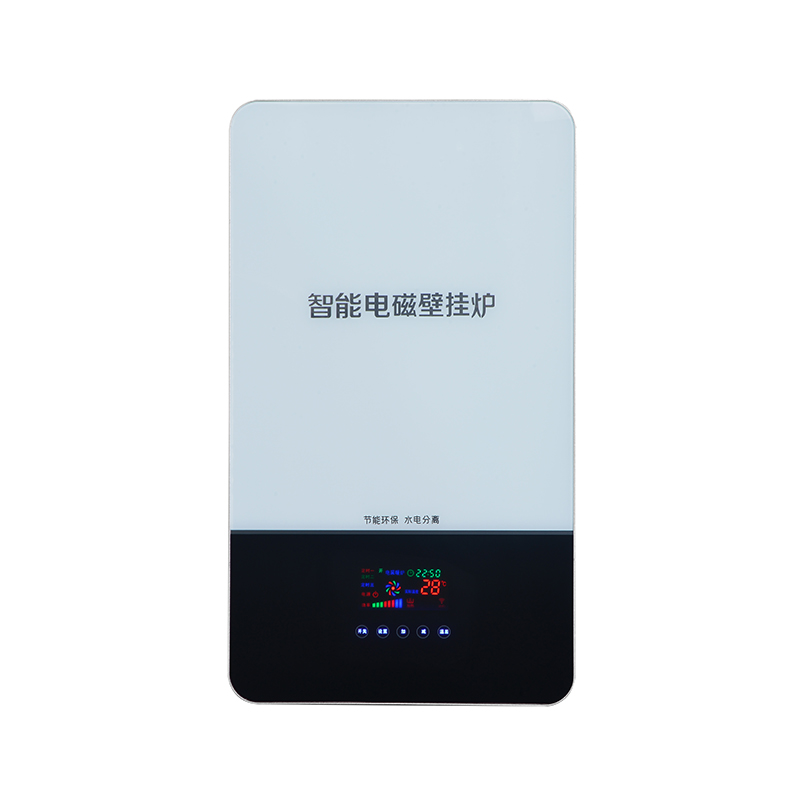
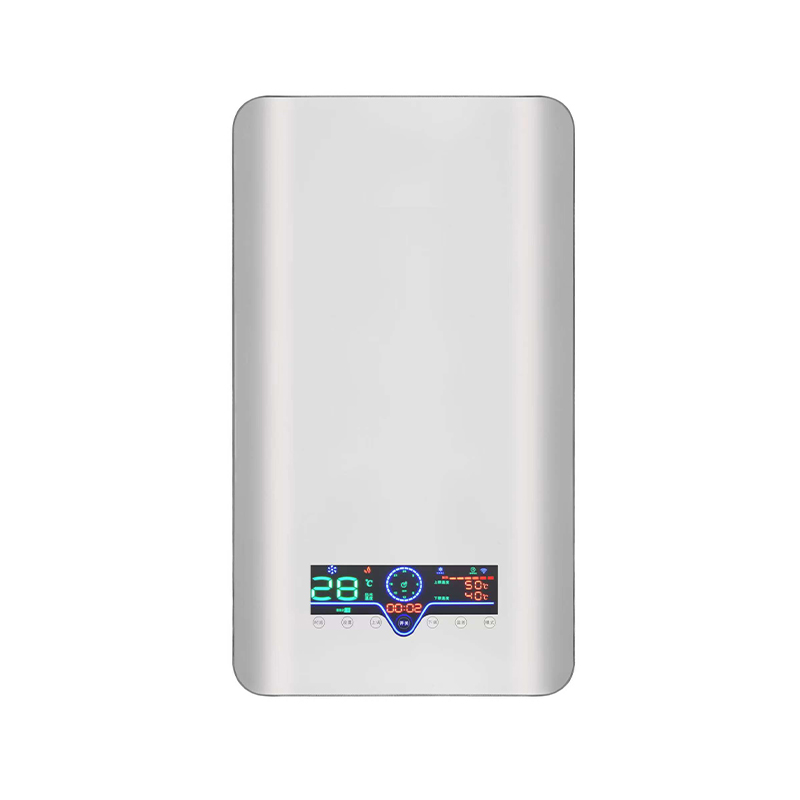
Fault codes and user-interactive design simplify the troubleshooting process. The control panel of an electromagnetic heating furnace is typically equipped with a display screen or indicator lights. When the system detects a fault, it generates specific codes (such as E0, E1, etc.) or flashing patterns, corresponding to different fault types. Maintenance personnel can quickly locate relevant codes in the electromagnetic system by consulting the instruction manual or repair manual. For example, E3 may indicate coil overheating, and E5 may point to a drive circuit malfunction. Some high-end models also support mobile app connectivity, providing real-time fault information and solutions, further shortening the troubleshooting time.
Preventative maintenance strategies reduce the failure rate. The electromagnetic system of an electromagnetic heating furnace requires regular cleaning of the ventilation holes, inspection of coil fixation, and replacement of aging components (such as capacitors and fans) to reduce faults caused by dust accumulation or component aging. For example, if dust accumulates on the cooling fan, causing a decrease in speed, it may trigger overheat protection; regular maintenance can prevent such problems. Furthermore, using original-fit cookware ensures magnetic field coupling efficiency and reduces heating abnormalities caused by incompatible cookware.
Rapid fault location in electromagnetic heating furnaces relies on the comprehensive application of hardware redundancy, modular detection, intelligent algorithms, real-time monitoring, fault codes, user interaction, and preventative maintenance. Through layered troubleshooting and data-driven analysis, diagnostic efficiency can be significantly improved, maintenance costs reduced, and long-term stable operation of the equipment ensured.