


Why are electromagnetic heating furnaces more energy-efficient and environmentally friendly compared to traditional electric heating equipment?
Release Time : 2026-01-14
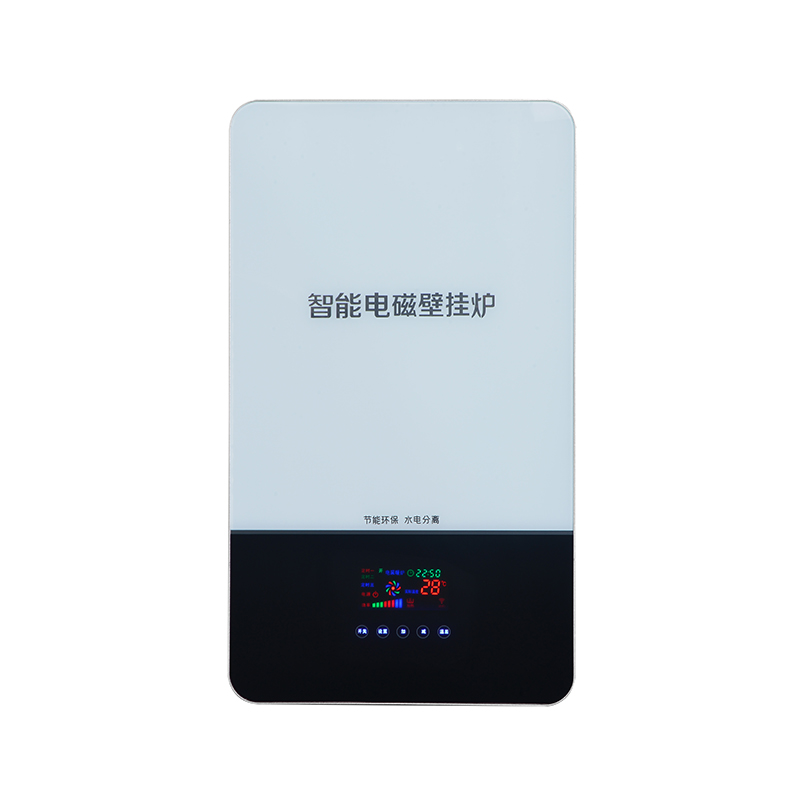
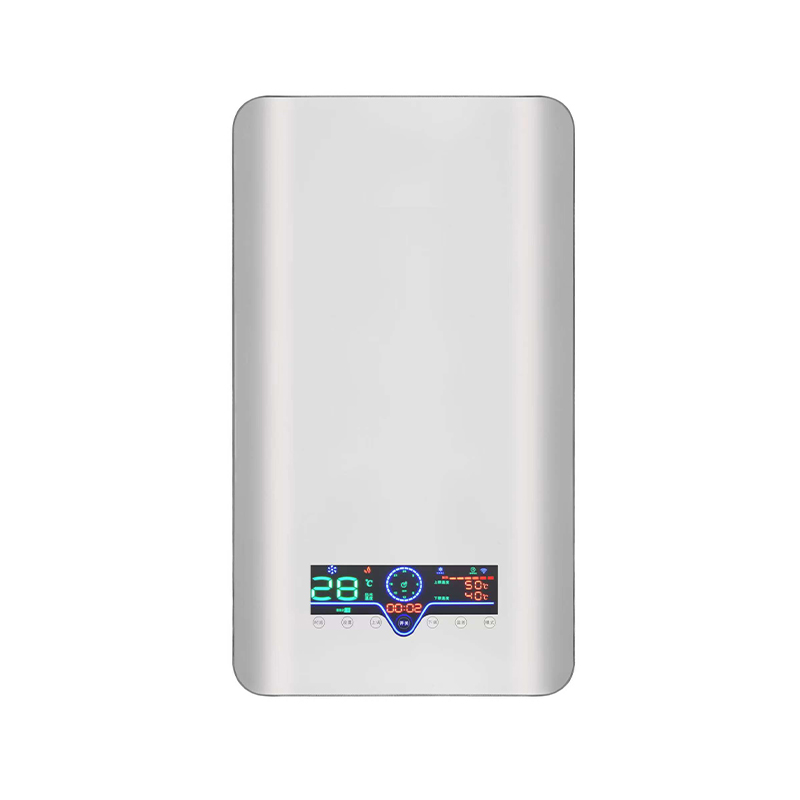
In today's world, where the "dual carbon" goal and the concept of green living are increasingly gaining popularity, efficient, safe, and energy-saving new heating equipment has become a focus of market attention. Among them, electromagnetic heating furnaces stand out from numerous electric heating products due to their unique heating principle and system design. Compared with traditional resistance wire heating, electric heating tubes, or storage-type electric water heaters, electromagnetic heating furnaces demonstrate significant advantages in energy saving and environmental protection. This article will delve into the core reasons for their energy saving and environmental protection from the aspects of working principle, thermal efficiency, safety of use, and impact throughout the entire life cycle.
1. Innovative Heating Principle: From "Conduction Heat Transfer" to "Internal Heat Source"
Traditional electric heating equipment mostly uses the principle of resistance heating, that is, current passes through a metal resistance wire or electric heating tube to generate heat, which is then transferred to water or other media through heat conduction or convection. This process involves significant energy loss at multiple levels—electrical energy is first converted into heat in the heating element, then conducted to the water through the container wall. These intermediate steps and high thermal resistance result in substantial heat loss into the air. Electromagnetic heating furnaces, on the other hand, are based on the principle of electromagnetic induction eddy current heating: a high-frequency alternating current generates a changing magnetic field through a coil, causing eddy currents to directly heat the metal heating element. This "inside-out" heating method eliminates intermediate heat transfer stages, significantly reducing heat loss, and achieving a thermal efficiency generally exceeding 95%, far higher than the 70%-85% of traditional electric heating equipment.
2. Water-Electric Separation Structure: Enhancing Safety While Reducing Energy Consumption
Electromagnetic heating furnaces generally employ a design with complete water-electricity separation—the coil has no electrical contact with the water circuit, and the heating element itself is a pressurized water tank or an insulated metal cylinder. This structure not only fundamentally eliminates the risk of electric leakage, ensuring user safety, but also avoids power attenuation or frequent maintenance caused by insulation aging, scale corrosion, and other problems. In contrast, traditional electric heating elements, constantly immersed in water, are prone to scaling and aging. With prolonged use, their thermal resistance increases, requiring higher power to maintain the same outlet water temperature, leading to increased hidden energy consumption. Electromagnetic heating furnaces, however, are less affected by water quality due to the absence of direct contact, ensuring stable energy efficiency over long-term operation and truly achieving "durability + continuous energy saving."
3. Intelligent Variable Frequency Control: On-Demand Energy Supply, Eliminating Waste
Electromagnetic heating furnaces generally integrate intelligent variable frequency systems, dynamically adjusting output power according to actual heat load. For example, when the water temperature approaches the set value, it automatically reduces the frequency to maintain the temperature, avoiding the cyclical fluctuations of traditional equipment: "full power heating—overheating shutdown—cooling restart." This stepless power adjustment mode not only improves comfort but also effectively suppresses ineffective heating and start-stop losses. Most traditional electric heating equipment still uses mechanical temperature control or simple electronic switches, unable to precisely match heat demand, often resulting in "overheating" or "underheating," causing energy waste. Intelligent control capabilities enable electromagnetic heating furnaces to save an average of 20%-30% energy in daily use.
4. Outstanding Environmental Attributes: Zero Emissions, Low Pollution, and Long Lifespan
From an environmental perspective, the electromagnetic heating furnace operates without combustion, exhaust gas, or noise pollution, and produces no carbon dioxide, nitrogen oxides, or particulate matter, making it a truly clean energy terminal. Simultaneously, its high energy efficiency means less electricity is consumed per unit of hot water output, indirectly reducing carbon emissions on the power generation side. Furthermore, due to the long lifespan of its core components and the absence of easily damaged heating elements, the overall lifespan of the unit typically reaches over 10 years, far exceeding the 5-8 years of ordinary electric water heaters. A longer service life means fewer discarded electrical appliances, alleviating the pressure of electronic waste disposal and aligning with the circular economy concept.
In summary, the electromagnetic heating furnace is more energy-efficient and environmentally friendly than traditional electric heating equipment due to its advanced physical principles, safe structural design, intelligent control logic, and green attributes throughout its entire life cycle. It not only achieves a breakthrough in energy efficiency by "producing more heat per kilowatt-hour," but also responds to modern society's pursuit of a sustainable lifestyle with its zero-pollution, high reliability, and long lifespan. Electromagnetic heating furnaces will undoubtedly play an increasingly important role in future clean heating and smart energy systems.
1. Innovative Heating Principle: From "Conduction Heat Transfer" to "Internal Heat Source"
Traditional electric heating equipment mostly uses the principle of resistance heating, that is, current passes through a metal resistance wire or electric heating tube to generate heat, which is then transferred to water or other media through heat conduction or convection. This process involves significant energy loss at multiple levels—electrical energy is first converted into heat in the heating element, then conducted to the water through the container wall. These intermediate steps and high thermal resistance result in substantial heat loss into the air. Electromagnetic heating furnaces, on the other hand, are based on the principle of electromagnetic induction eddy current heating: a high-frequency alternating current generates a changing magnetic field through a coil, causing eddy currents to directly heat the metal heating element. This "inside-out" heating method eliminates intermediate heat transfer stages, significantly reducing heat loss, and achieving a thermal efficiency generally exceeding 95%, far higher than the 70%-85% of traditional electric heating equipment.
2. Water-Electric Separation Structure: Enhancing Safety While Reducing Energy Consumption
Electromagnetic heating furnaces generally employ a design with complete water-electricity separation—the coil has no electrical contact with the water circuit, and the heating element itself is a pressurized water tank or an insulated metal cylinder. This structure not only fundamentally eliminates the risk of electric leakage, ensuring user safety, but also avoids power attenuation or frequent maintenance caused by insulation aging, scale corrosion, and other problems. In contrast, traditional electric heating elements, constantly immersed in water, are prone to scaling and aging. With prolonged use, their thermal resistance increases, requiring higher power to maintain the same outlet water temperature, leading to increased hidden energy consumption. Electromagnetic heating furnaces, however, are less affected by water quality due to the absence of direct contact, ensuring stable energy efficiency over long-term operation and truly achieving "durability + continuous energy saving."
3. Intelligent Variable Frequency Control: On-Demand Energy Supply, Eliminating Waste
Electromagnetic heating furnaces generally integrate intelligent variable frequency systems, dynamically adjusting output power according to actual heat load. For example, when the water temperature approaches the set value, it automatically reduces the frequency to maintain the temperature, avoiding the cyclical fluctuations of traditional equipment: "full power heating—overheating shutdown—cooling restart." This stepless power adjustment mode not only improves comfort but also effectively suppresses ineffective heating and start-stop losses. Most traditional electric heating equipment still uses mechanical temperature control or simple electronic switches, unable to precisely match heat demand, often resulting in "overheating" or "underheating," causing energy waste. Intelligent control capabilities enable electromagnetic heating furnaces to save an average of 20%-30% energy in daily use.
4. Outstanding Environmental Attributes: Zero Emissions, Low Pollution, and Long Lifespan
From an environmental perspective, the electromagnetic heating furnace operates without combustion, exhaust gas, or noise pollution, and produces no carbon dioxide, nitrogen oxides, or particulate matter, making it a truly clean energy terminal. Simultaneously, its high energy efficiency means less electricity is consumed per unit of hot water output, indirectly reducing carbon emissions on the power generation side. Furthermore, due to the long lifespan of its core components and the absence of easily damaged heating elements, the overall lifespan of the unit typically reaches over 10 years, far exceeding the 5-8 years of ordinary electric water heaters. A longer service life means fewer discarded electrical appliances, alleviating the pressure of electronic waste disposal and aligning with the circular economy concept.
In summary, the electromagnetic heating furnace is more energy-efficient and environmentally friendly than traditional electric heating equipment due to its advanced physical principles, safe structural design, intelligent control logic, and green attributes throughout its entire life cycle. It not only achieves a breakthrough in energy efficiency by "producing more heat per kilowatt-hour," but also responds to modern society's pursuit of a sustainable lifestyle with its zero-pollution, high reliability, and long lifespan. Electromagnetic heating furnaces will undoubtedly play an increasingly important role in future clean heating and smart energy systems.