


Are flat-plate electromagnetic heating furnaces truly more efficient and energy-saving than traditional resistance heating?
Release Time : 2025-12-24
In industrial applications such as metal heat treatment, plastic preheating, glass bending, and composite material curing, heating efficiency, temperature uniformity, and energy consumption directly determine production costs and product quality. Flat-plate electromagnetic heating furnaces, with their non-contact, high-response, and low-heat-loss characteristics, are gradually replacing traditional resistance wire or infrared heating methods, becoming an indispensable thermal energy equipment in modern intelligent manufacturing. Their core advantage does not come from flames or heating elements, but from the precise application of the principle of electromagnetic induction on a planar surface.
The working principle of a flat-plate electromagnetic heating furnace is based on Faraday's law of electromagnetic induction. When a high-frequency alternating current passes through a flat copper coil embedded inside the furnace body, eddy currents are induced within the magnetically conductive metal workpiece above (such as steel molds, aluminum plates, or iron molds), directly generating Joule heat within the workpiece itself. Heat is generated from within the material, rather than conducted from the outside in, resulting in extremely rapid heating—typically reaching the set temperature within seconds to tens of seconds. This "endogenous" heating method significantly shortens the process cycle while avoiding the surface overheating or internal underheating problems caused by lag in heat conduction in traditional heating, achieving excellent temperature uniformity.
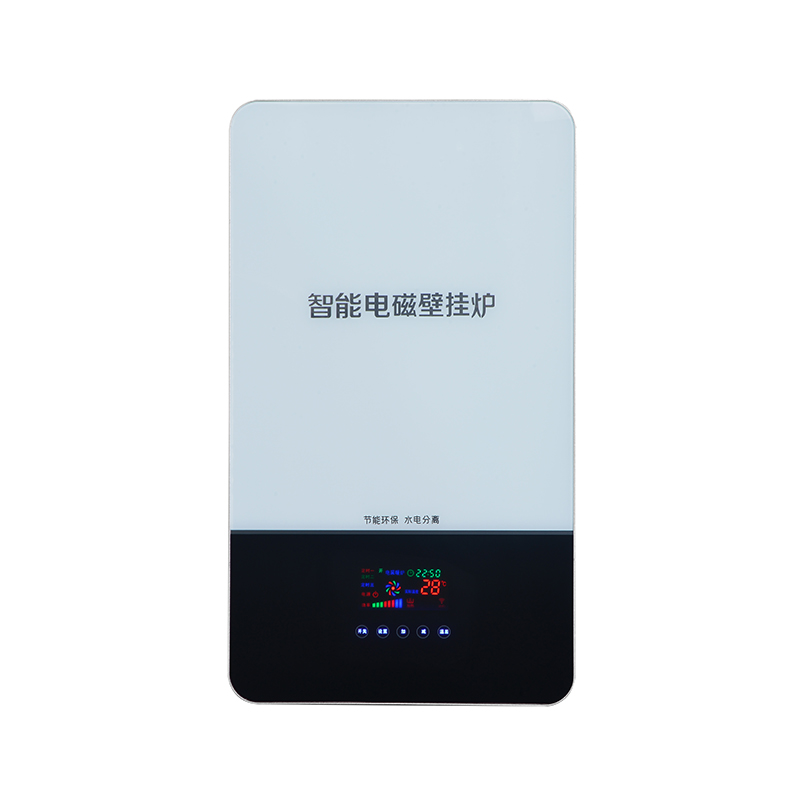
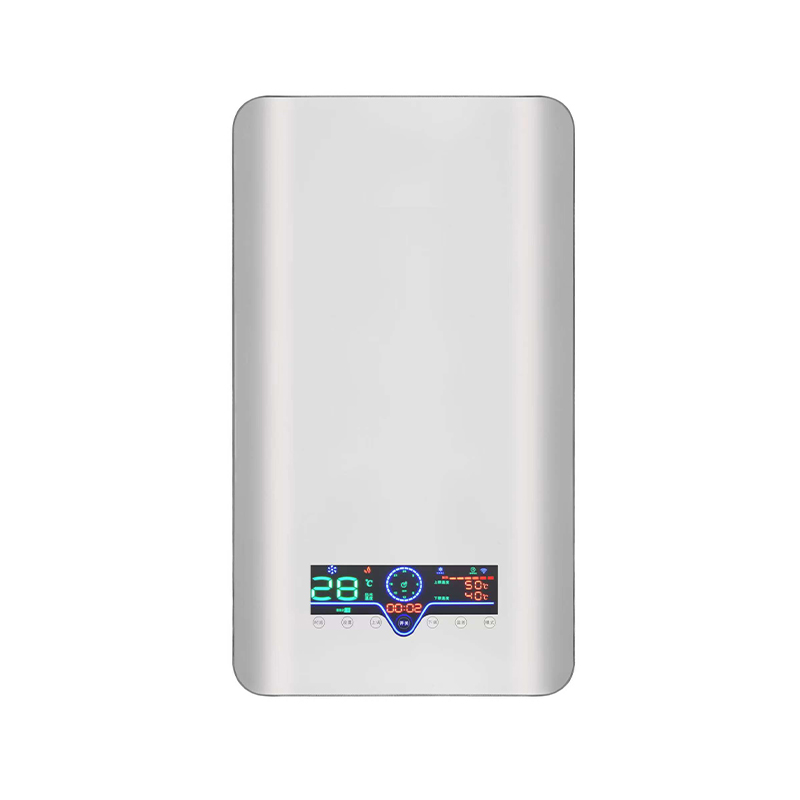
Structurally, the entire machine adopts an integrated flat plate structure, with a flat and robust heating surface, facilitating the stable placement of large plates, molds, or continuous strips. The furnace shell is mostly made of stainless steel or high-temperature resistant engineering plastics, and the internal coils are vacuum-impregnated with epoxy resin for enhanced insulation and mechanical strength. High-precision thermocouples or infrared temperature measurement modules are often integrated into the surface, coupled with a PID intelligent temperature control system, achieving a temperature control accuracy of ±1℃. Some high-end models also support independent zone temperature control to meet the gradient heating needs of complex workpieces.
Energy efficiency is its outstanding highlight. Because heat is generated directly inside the workpiece, the thermal efficiency can reach over 85%, far exceeding the 40-60% of resistance furnaces. Simultaneously, there is no open flame or combustion exhaust gas, resulting in a cleaner and safer working environment; standby mode consumes almost zero energy, only activating output when a metal load is detected, further reducing idling waste. For production lines requiring frequent start-stop or intermittent operation, the energy-saving effect is particularly significant.
Its applications are wide-ranging and profound. In automotive manufacturing, it's used for preheating stamping dies, reducing the risk of cold mold cracking; in the packaging industry, it's used for rapid softening and molding of PET sheets; in the new energy field, it provides a stable heat source for drying lithium battery electrodes or laminating composite films; and even in food machinery, it's used for chocolate tempering or temperature control of baking conveyor belts. Its modular design also supports multiple units connected in parallel to form a large heating platform, adaptable to automated production lines.
Safety and ease of maintenance are equally outstanding. The equipment has multiple protection mechanisms including phase loss, overcurrent, overtemperature, and no-load protection; there are no exposed heating elements, resulting in low surface temperature rise and reducing the risk of burns to operators; the structure is simple, with no easily consumable materials, requiring only surface dust cleaning for daily maintenance, resulting in extremely low maintenance costs.
Ultimately, the value of the flat-plate electromagnetic heating furnace lies not only in "heating," but also in "intelligent, clean, and controllable heating." It replaces visible flames with invisible magnetic fields, minutes-level waiting with millisecond-level response, and extensive heat radiation with precise energy delivery. In today's pursuit of green manufacturing and lean production, this highly efficient thermal energy solution is quietly reshaping the underlying logic of industrial heating—operating quietly in a corner of the workshop, yet continuously releasing transformative power.
The working principle of a flat-plate electromagnetic heating furnace is based on Faraday's law of electromagnetic induction. When a high-frequency alternating current passes through a flat copper coil embedded inside the furnace body, eddy currents are induced within the magnetically conductive metal workpiece above (such as steel molds, aluminum plates, or iron molds), directly generating Joule heat within the workpiece itself. Heat is generated from within the material, rather than conducted from the outside in, resulting in extremely rapid heating—typically reaching the set temperature within seconds to tens of seconds. This "endogenous" heating method significantly shortens the process cycle while avoiding the surface overheating or internal underheating problems caused by lag in heat conduction in traditional heating, achieving excellent temperature uniformity.
Structurally, the entire machine adopts an integrated flat plate structure, with a flat and robust heating surface, facilitating the stable placement of large plates, molds, or continuous strips. The furnace shell is mostly made of stainless steel or high-temperature resistant engineering plastics, and the internal coils are vacuum-impregnated with epoxy resin for enhanced insulation and mechanical strength. High-precision thermocouples or infrared temperature measurement modules are often integrated into the surface, coupled with a PID intelligent temperature control system, achieving a temperature control accuracy of ±1℃. Some high-end models also support independent zone temperature control to meet the gradient heating needs of complex workpieces.
Energy efficiency is its outstanding highlight. Because heat is generated directly inside the workpiece, the thermal efficiency can reach over 85%, far exceeding the 40-60% of resistance furnaces. Simultaneously, there is no open flame or combustion exhaust gas, resulting in a cleaner and safer working environment; standby mode consumes almost zero energy, only activating output when a metal load is detected, further reducing idling waste. For production lines requiring frequent start-stop or intermittent operation, the energy-saving effect is particularly significant.
Its applications are wide-ranging and profound. In automotive manufacturing, it's used for preheating stamping dies, reducing the risk of cold mold cracking; in the packaging industry, it's used for rapid softening and molding of PET sheets; in the new energy field, it provides a stable heat source for drying lithium battery electrodes or laminating composite films; and even in food machinery, it's used for chocolate tempering or temperature control of baking conveyor belts. Its modular design also supports multiple units connected in parallel to form a large heating platform, adaptable to automated production lines.
Safety and ease of maintenance are equally outstanding. The equipment has multiple protection mechanisms including phase loss, overcurrent, overtemperature, and no-load protection; there are no exposed heating elements, resulting in low surface temperature rise and reducing the risk of burns to operators; the structure is simple, with no easily consumable materials, requiring only surface dust cleaning for daily maintenance, resulting in extremely low maintenance costs.
Ultimately, the value of the flat-plate electromagnetic heating furnace lies not only in "heating," but also in "intelligent, clean, and controllable heating." It replaces visible flames with invisible magnetic fields, minutes-level waiting with millisecond-level response, and extensive heat radiation with precise energy delivery. In today's pursuit of green manufacturing and lean production, this highly efficient thermal energy solution is quietly reshaping the underlying logic of industrial heating—operating quietly in a corner of the workshop, yet continuously releasing transformative power.