


How to make operating an electromagnetic heating furnace as simple as using a home appliance?
Release Time : 2026-01-08
With the rapid development of industrial automation and intelligent manufacturing, traditional industrial equipment is evolving towards greater intelligence and user-friendliness. Electromagnetic heating furnaces, as key equipment in metal heat treatment, smelting, and forging processes, have long been plagued by problems such as complex operation, high energy consumption, and reliance on experience, hindering frontline workers and small and medium-sized enterprises.
1. Home Appliance-like Human-Machine Interface Design
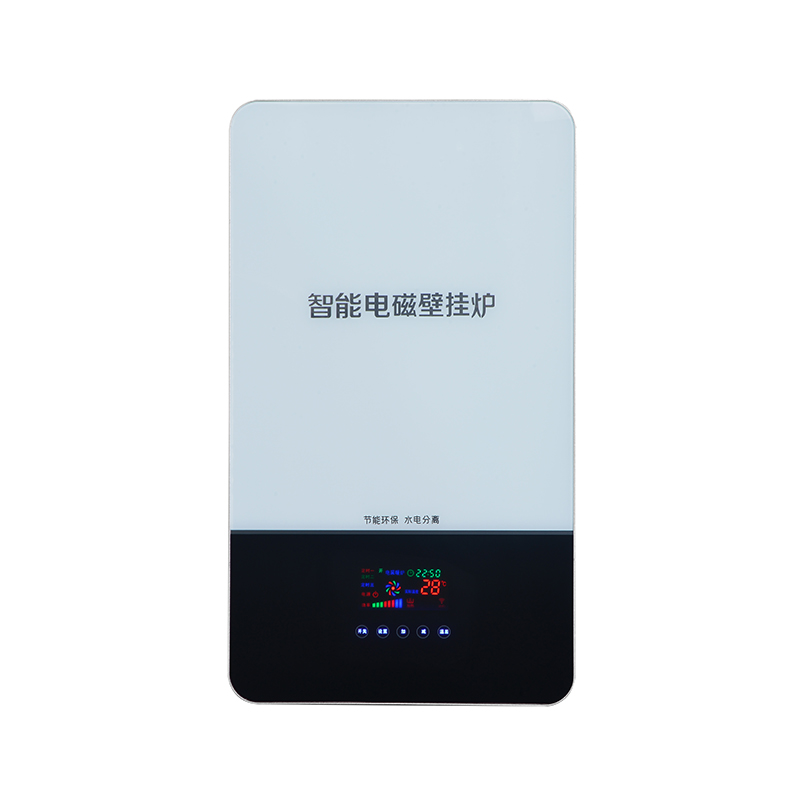
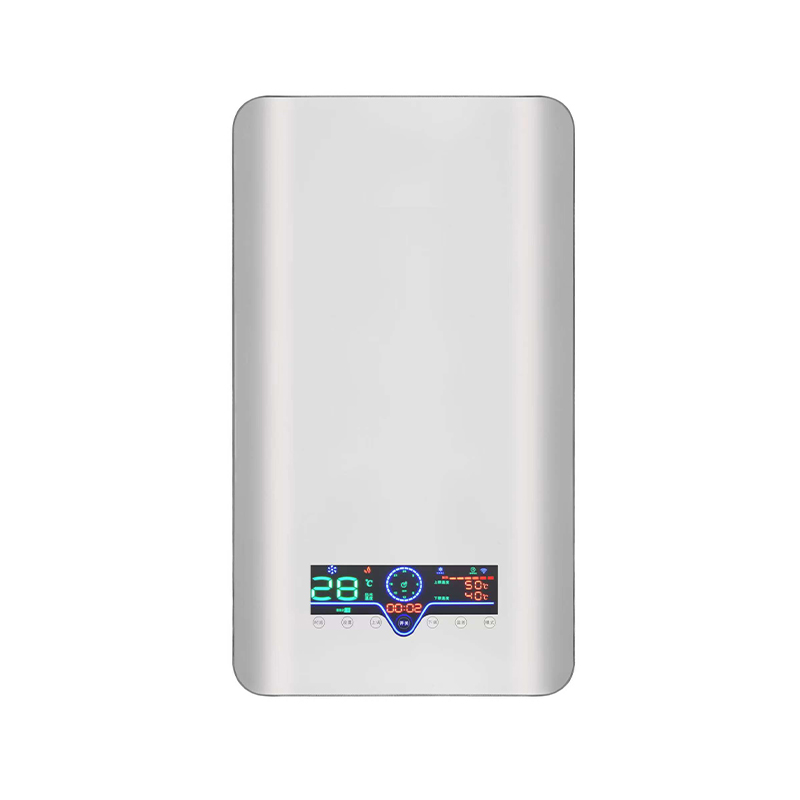
Traditional electromagnetic heating furnaces often employ complex buttons, knobs, and dashboards, requiring operators to possess professional knowledge to accurately set parameters. Modern electromagnetic heating furnaces, however, borrow design concepts from home appliances, commonly employing touchscreens, graphical interfaces, and voice prompts. Users simply select a preset process mode on the screen, and the system automatically matches the corresponding power, temperature curve, and holding time. This "one-click start" operation logic greatly lowers the learning curve, allowing even beginners to quickly get started.
2. Intelligent Temperature Control and Adaptive Algorithms
One important reason why home appliances are easy to use is their closed-loop capability of "perception-judgment-execution." For example, a rice cooker can automatically adjust its heat based on the temperature inside the pot. Similarly, the new generation of electromagnetic heating furnaces integrates high-precision infrared temperature measurement, thermocouple feedback, and AI temperature control algorithms. It can monitor the workpiece temperature in real time and dynamically adjust the output power to avoid overheating or underheating. Some high-end models even have a "learning function," optimizing heating strategies based on historical data to become more accurate and energy-efficient with use.
3. Modularization and Preset Process Library
To simplify operation, electromagnetic heating furnace manufacturers are offering "process packages." Users only need to input the material type, workpiece size, and target process, and the system will retrieve the optimal parameter combination from the built-in process database. This modular design not only improves efficiency but also reduces the risk of human error. Furthermore, the equipment supports remote upgrades; manufacturers can push new process templates through the cloud, allowing the equipment to continuously evolve, as conveniently as updating a smartphone's operating system.
4. Safety Protection and Fault Self-Diagnosis
Another key feature of home appliances is their high level of safety and fault tolerance. The electromagnetic heating furnace also incorporates multiple safety mechanisms, such as access control interlocks, overcurrent protection, and water-cooling anomaly alarms. In case of an anomaly, the equipment automatically shuts down and displays the cause of the fault on the screen or via a mobile app, even providing illustrated repair instructions. This "self-diagnosis + proactive alert" capability allows users to quickly address problems without needing to consult thick manuals.
5. Mobile Internet and Remote Control
Leveraging Internet of Things (IoT) technology, the electromagnetic heating furnace can be connected to enterprise LANs or cloud platforms. Operators can remotely view furnace temperatures, start/pause heating, and receive completion notifications via a mobile app, truly achieving "handheld control." For workshops with multiple units, managers can also centrally monitor the operating status of all furnaces, improving overall scheduling efficiency. This "home appliance-level" remote experience breaks down the traditional limitation of requiring on-site monitoring for industrial equipment.
Making the operating experience of the electromagnetic heating furnace more like that of a home appliance does not diminish its industrial attributes, but rather makes professional equipment more accessible through user-friendly design and intelligent technology. This not only lowers the technological threshold and improves production efficiency, but also provides a practical path for the digital transformation of SMEs. In the future, with the deep integration of artificial intelligence and edge computing, the electromagnetic heating furnace may truly become a smart terminal that "thinks, understands users, and self-optimizes," making industrial manufacturing simpler, more efficient, and more reliable.
1. Home Appliance-like Human-Machine Interface Design
Traditional electromagnetic heating furnaces often employ complex buttons, knobs, and dashboards, requiring operators to possess professional knowledge to accurately set parameters. Modern electromagnetic heating furnaces, however, borrow design concepts from home appliances, commonly employing touchscreens, graphical interfaces, and voice prompts. Users simply select a preset process mode on the screen, and the system automatically matches the corresponding power, temperature curve, and holding time. This "one-click start" operation logic greatly lowers the learning curve, allowing even beginners to quickly get started.
2. Intelligent Temperature Control and Adaptive Algorithms
One important reason why home appliances are easy to use is their closed-loop capability of "perception-judgment-execution." For example, a rice cooker can automatically adjust its heat based on the temperature inside the pot. Similarly, the new generation of electromagnetic heating furnaces integrates high-precision infrared temperature measurement, thermocouple feedback, and AI temperature control algorithms. It can monitor the workpiece temperature in real time and dynamically adjust the output power to avoid overheating or underheating. Some high-end models even have a "learning function," optimizing heating strategies based on historical data to become more accurate and energy-efficient with use.
3. Modularization and Preset Process Library
To simplify operation, electromagnetic heating furnace manufacturers are offering "process packages." Users only need to input the material type, workpiece size, and target process, and the system will retrieve the optimal parameter combination from the built-in process database. This modular design not only improves efficiency but also reduces the risk of human error. Furthermore, the equipment supports remote upgrades; manufacturers can push new process templates through the cloud, allowing the equipment to continuously evolve, as conveniently as updating a smartphone's operating system.
4. Safety Protection and Fault Self-Diagnosis
Another key feature of home appliances is their high level of safety and fault tolerance. The electromagnetic heating furnace also incorporates multiple safety mechanisms, such as access control interlocks, overcurrent protection, and water-cooling anomaly alarms. In case of an anomaly, the equipment automatically shuts down and displays the cause of the fault on the screen or via a mobile app, even providing illustrated repair instructions. This "self-diagnosis + proactive alert" capability allows users to quickly address problems without needing to consult thick manuals.
5. Mobile Internet and Remote Control
Leveraging Internet of Things (IoT) technology, the electromagnetic heating furnace can be connected to enterprise LANs or cloud platforms. Operators can remotely view furnace temperatures, start/pause heating, and receive completion notifications via a mobile app, truly achieving "handheld control." For workshops with multiple units, managers can also centrally monitor the operating status of all furnaces, improving overall scheduling efficiency. This "home appliance-level" remote experience breaks down the traditional limitation of requiring on-site monitoring for industrial equipment.
Making the operating experience of the electromagnetic heating furnace more like that of a home appliance does not diminish its industrial attributes, but rather makes professional equipment more accessible through user-friendly design and intelligent technology. This not only lowers the technological threshold and improves production efficiency, but also provides a practical path for the digital transformation of SMEs. In the future, with the deep integration of artificial intelligence and edge computing, the electromagnetic heating furnace may truly become a smart terminal that "thinks, understands users, and self-optimizes," making industrial manufacturing simpler, more efficient, and more reliable.