
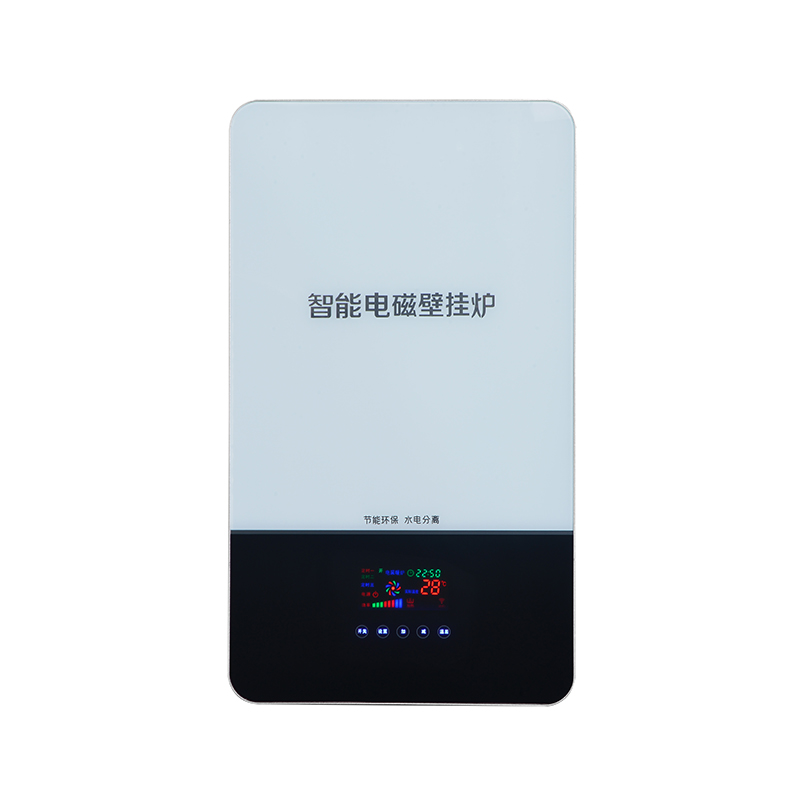
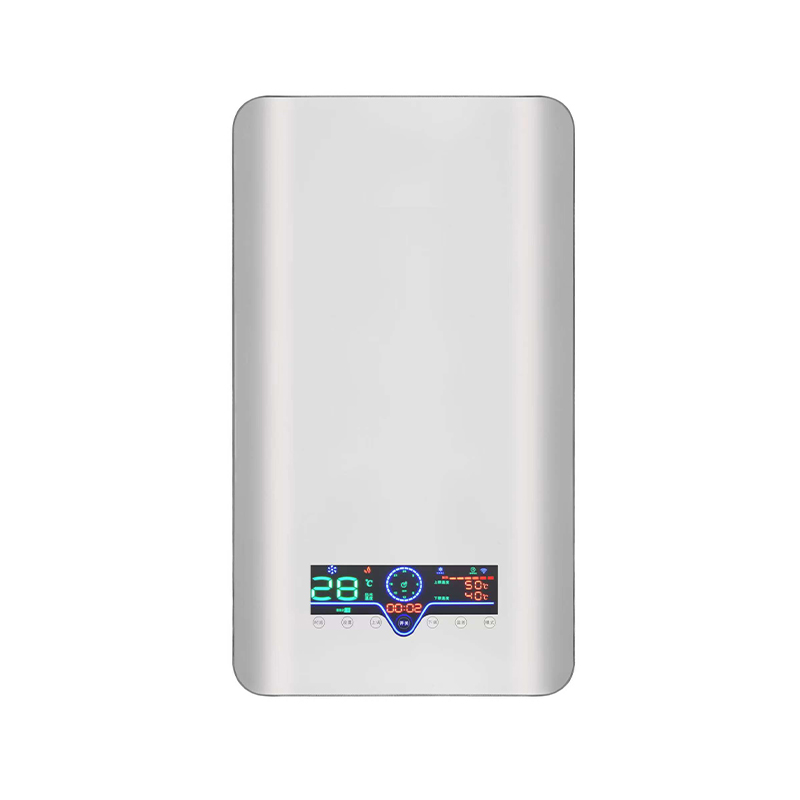


Can an arc-shaped electromagnetic heating furnace achieve efficient, precise, and clean industrial heating through non-contact thermal energy?
Release Time : 2026-01-28
In modern industrial manufacturing, the application of thermal energy is ubiquitous—from metal smelting and plastic molding to food processing and chemical reactions. The choice of heating method directly affects energy efficiency, precision, and environmental protection. The arc-shaped electromagnetic heating furnace—a new type of heating equipment that utilizes the principle of electromagnetic induction combined with a curved structure design—is bringing a revolutionary upgrade to traditional thermal processes with its non-contact energy transfer, rapid response, and localized temperature control capabilities. It does not rely on open flames or resistance wires, but rather generates heat "self-generated" within the metal workpiece through a magnetic field, achieving efficient and uniform heating from the inside out.
Its core advantage stems primarily from the physical nature of electromagnetic induction heating. When an alternating current passes through an arc-shaped coil, a high-frequency alternating magnetic field is generated; eddy currents are then induced within the conductive workpiece (such as metal tubes, rods, or blanks of specific shapes) placed in the magnetic field, rapidly heating up due to the resistance effect. This "internal heating" mechanism bypasses the intermediate steps of traditional conduction or radiation, significantly improving thermal efficiency while avoiding pollution and maintenance issues caused by combustion exhaust or aging heating elements. It is particularly suitable for scenarios with high cleanliness requirements, such as food machinery, medical equipment, or the heat treatment of precision parts.
The arc-shaped structure design further enhances adaptability to specific workpieces and the uniformity of the thermal field. For cylindrical or curved workpieces such as pipes, rollers, and crankshafts, the arc-shaped furnace body can closely conform to their contours, resulting in a more concentrated magnetic field distribution and more complete energy coupling. This not only shortens heating time but also ensures temperature consistency along the axial and circumferential directions of the workpiece, avoiding localized overheating or underheating. In continuous production lines, this structure supports the smooth passage of workpieces, enabling online, rhythmic heating and significantly improving automation levels.
At the control level, intelligent and precise temperature control provides high flexibility. By adjusting the current frequency, power density, and heating time, the system can dynamically adjust the heat input for different materials, sizes, and process requirements. Combined with infrared temperature measurement or thermocouple feedback, closed-loop control is formed, ensuring minimal temperature fluctuations. This "on-demand heating" capability not only meets the stringent curve requirements of heat treatment processes such as quenching, annealing, and brazing, but is also suitable for energy-saving retrofits of equipment like injection molding barrels and extruder screws, reducing standby energy consumption.
A deeper value lies in the dual improvement of safety and sustainability. Because heat is generated only inside the workpiece, the furnace surface temperature rise is low, significantly reducing the risk of burns and fires; there is no open flame or exhaust emission, improving the workshop environment and aligning with green manufacturing trends. Simultaneously, electromagnetic heating has a fast response speed and instant start-up and shutdown, avoiding the energy waste caused by prolonged preheating and heat dissipation in traditional furnaces. Under long-term operation, its low maintenance costs and high reliability bring significant economic benefits to enterprises.
Ultimately, the significance of an arc-shaped electromagnetic heating furnace lies not in its replacement of flames, but in how it makes heat energy controllable, clean, and intelligent. When a metal tube heats up silently and evenly, when a production line accelerates due to efficient heating—behind this lies the invisible power of electromagnetic technology reshaping the future landscape of industrial thermal engineering. Because in the logic of advanced manufacturing, true heating is not about scorching the surface, but about awakening the material's inherent energy—precise, quiet, and just right.
Its core advantage stems primarily from the physical nature of electromagnetic induction heating. When an alternating current passes through an arc-shaped coil, a high-frequency alternating magnetic field is generated; eddy currents are then induced within the conductive workpiece (such as metal tubes, rods, or blanks of specific shapes) placed in the magnetic field, rapidly heating up due to the resistance effect. This "internal heating" mechanism bypasses the intermediate steps of traditional conduction or radiation, significantly improving thermal efficiency while avoiding pollution and maintenance issues caused by combustion exhaust or aging heating elements. It is particularly suitable for scenarios with high cleanliness requirements, such as food machinery, medical equipment, or the heat treatment of precision parts.
The arc-shaped structure design further enhances adaptability to specific workpieces and the uniformity of the thermal field. For cylindrical or curved workpieces such as pipes, rollers, and crankshafts, the arc-shaped furnace body can closely conform to their contours, resulting in a more concentrated magnetic field distribution and more complete energy coupling. This not only shortens heating time but also ensures temperature consistency along the axial and circumferential directions of the workpiece, avoiding localized overheating or underheating. In continuous production lines, this structure supports the smooth passage of workpieces, enabling online, rhythmic heating and significantly improving automation levels.
At the control level, intelligent and precise temperature control provides high flexibility. By adjusting the current frequency, power density, and heating time, the system can dynamically adjust the heat input for different materials, sizes, and process requirements. Combined with infrared temperature measurement or thermocouple feedback, closed-loop control is formed, ensuring minimal temperature fluctuations. This "on-demand heating" capability not only meets the stringent curve requirements of heat treatment processes such as quenching, annealing, and brazing, but is also suitable for energy-saving retrofits of equipment like injection molding barrels and extruder screws, reducing standby energy consumption.
A deeper value lies in the dual improvement of safety and sustainability. Because heat is generated only inside the workpiece, the furnace surface temperature rise is low, significantly reducing the risk of burns and fires; there is no open flame or exhaust emission, improving the workshop environment and aligning with green manufacturing trends. Simultaneously, electromagnetic heating has a fast response speed and instant start-up and shutdown, avoiding the energy waste caused by prolonged preheating and heat dissipation in traditional furnaces. Under long-term operation, its low maintenance costs and high reliability bring significant economic benefits to enterprises.
Ultimately, the significance of an arc-shaped electromagnetic heating furnace lies not in its replacement of flames, but in how it makes heat energy controllable, clean, and intelligent. When a metal tube heats up silently and evenly, when a production line accelerates due to efficient heating—behind this lies the invisible power of electromagnetic technology reshaping the future landscape of industrial thermal engineering. Because in the logic of advanced manufacturing, true heating is not about scorching the surface, but about awakening the material's inherent energy—precise, quiet, and just right.