


How do electromagnetic heating furnaces revolutionize heating methods in industry and laboratories with high-efficiency thermal energy?
Release Time : 2026-01-27
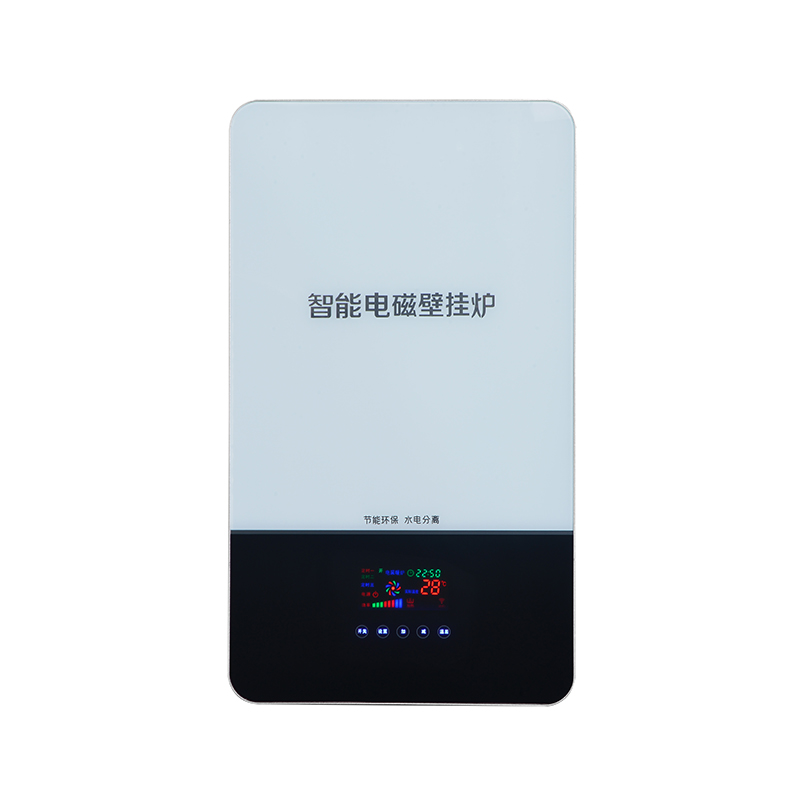
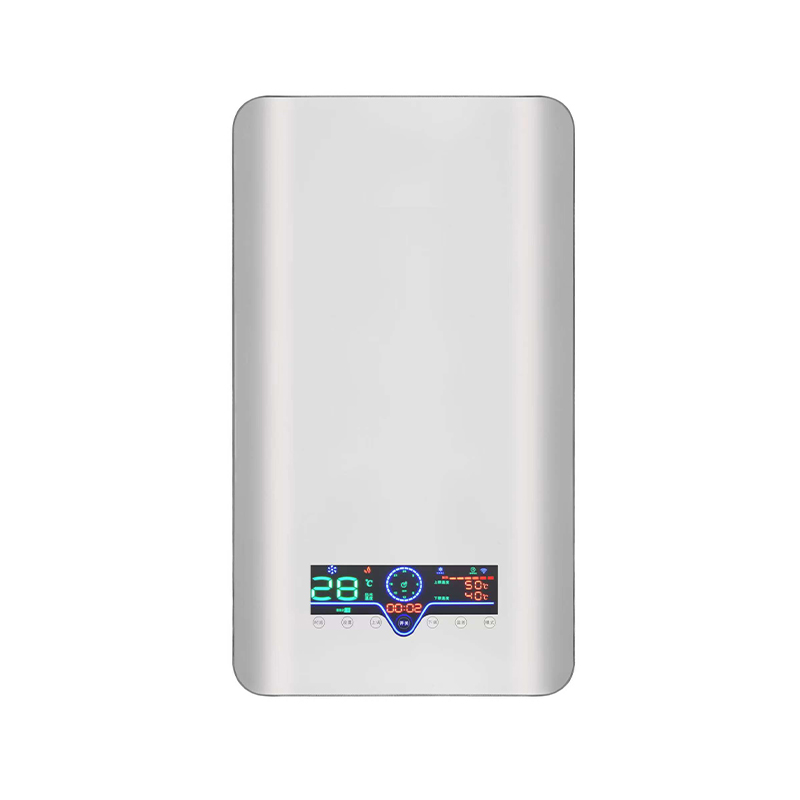
In modern manufacturing, materials processing, and scientific research, unprecedented demands are placed on the precision of temperature control, response speed, and energy efficiency. Traditional resistance wire or gas heating methods, due to limitations such as high thermal inertia, high energy consumption, and temperature control lag, are gradually being replaced by more advanced technologies. Flat-plate electromagnetic heating furnaces, with their non-contact induction heating principle and modular flat-plate structure, are demonstrating unique advantages in industrial heat treatment, sample melting, glass processing, and even new energy material research and development, becoming an important representative of efficient, clean, and intelligent heating solutions.
The core of an electromagnetic heating furnace lies in the principle of electromagnetic induction. When a high-frequency alternating current passes through the built-in coil, eddy currents are induced in the magnetically conductive metal stage or the bottom of a dedicated crucible above it, directly generating heat within the material. This "inside-out" heating method bypasses the intermediate steps of traditional heat conduction, significantly shortening the heating time and improving thermal efficiency. Simultaneously, because heat is generated only within the heated object, the furnace body itself experiences a lower temperature rise, significantly reducing environmental heat radiation and energy waste.
The flat-plate design further expands its application flexibility. The flat worktable can accommodate workpieces or containers of different shapes and sizes, achieving stable support and efficient energy coupling for everything from localized annealing of metal sheets and sintering of ceramic substrates to uniform heating of glassware in the laboratory. Some models are covered with high-temperature resistant ceramic or composite insulation materials, protecting the internal coils and facilitating cleaning and maintenance, making them suitable for cleanrooms or demanding experimental environments.
Regarding temperature control, flat-plate electromagnetic heating furnaces typically integrate high-precision thermocouples or infrared temperature measurement systems, coupled with intelligent PID algorithms, to achieve rapid response and ±1℃-level temperature control stability. Users can set multiple heating curves via a touchscreen, and the system automatically adjusts the output power to avoid overshoot or fluctuations. This refined management is crucial for processes sensitive to thermal history, such as semiconductor material annealing, alloy phase transformation research, or thermal processing of biological samples.
Safety is also a prominent feature. The equipment operates without open flames or combustion fumes, fundamentally eliminating the risk of fire and poisoning. When no-load, overcurrent, or overheating is detected, the system automatically reduces power or shuts down for protection. The casing features a heat-insulating structure and a low surface temperature design, ensuring a safe touch in the operating area even during prolonged operation. Furthermore, the electromagnetic field is effectively shielded within the working area, complying with electromagnetic compatibility standards and causing no interference to surrounding electronic equipment.
Compared to traditional heating furnaces, the flat-plate induction cooker starts and stops almost instantly, requiring no preheating or cooling, significantly improving production cycle time and experimental efficiency. Its modular construction facilitates integration into automated production lines or customized experimental platforms, supporting remote monitoring and data recording to meet the needs of intelligent manufacturing and scientific research traceability.
In the context of green and low-carbon trends, the energy-saving characteristics of this equipment are particularly valuable. Electrical energy is directly converted into heat energy, with a conversion efficiency far exceeding that of resistance heating; when used with an insulation cover, heat loss is further reduced. Its emission-free and low-noise operation also makes it suitable for parks or urban laboratories with stringent environmental requirements.
The emergence of flat-plate electromagnetic heating furnaces represents not only an upgrade in heating technology but also a practical application of the modern process philosophy of "precision, efficiency, and cleanliness." With an invisible electromagnetic field, it drives a visible transformation in thermal energy, building a silent yet powerful bridge between metals and non-metals, industry and scientific research, and efficiency and sustainability. Each steady temperature rise is a gentle leap forward from traditional thermal methods.
The core of an electromagnetic heating furnace lies in the principle of electromagnetic induction. When a high-frequency alternating current passes through the built-in coil, eddy currents are induced in the magnetically conductive metal stage or the bottom of a dedicated crucible above it, directly generating heat within the material. This "inside-out" heating method bypasses the intermediate steps of traditional heat conduction, significantly shortening the heating time and improving thermal efficiency. Simultaneously, because heat is generated only within the heated object, the furnace body itself experiences a lower temperature rise, significantly reducing environmental heat radiation and energy waste.
The flat-plate design further expands its application flexibility. The flat worktable can accommodate workpieces or containers of different shapes and sizes, achieving stable support and efficient energy coupling for everything from localized annealing of metal sheets and sintering of ceramic substrates to uniform heating of glassware in the laboratory. Some models are covered with high-temperature resistant ceramic or composite insulation materials, protecting the internal coils and facilitating cleaning and maintenance, making them suitable for cleanrooms or demanding experimental environments.
Regarding temperature control, flat-plate electromagnetic heating furnaces typically integrate high-precision thermocouples or infrared temperature measurement systems, coupled with intelligent PID algorithms, to achieve rapid response and ±1℃-level temperature control stability. Users can set multiple heating curves via a touchscreen, and the system automatically adjusts the output power to avoid overshoot or fluctuations. This refined management is crucial for processes sensitive to thermal history, such as semiconductor material annealing, alloy phase transformation research, or thermal processing of biological samples.
Safety is also a prominent feature. The equipment operates without open flames or combustion fumes, fundamentally eliminating the risk of fire and poisoning. When no-load, overcurrent, or overheating is detected, the system automatically reduces power or shuts down for protection. The casing features a heat-insulating structure and a low surface temperature design, ensuring a safe touch in the operating area even during prolonged operation. Furthermore, the electromagnetic field is effectively shielded within the working area, complying with electromagnetic compatibility standards and causing no interference to surrounding electronic equipment.
Compared to traditional heating furnaces, the flat-plate induction cooker starts and stops almost instantly, requiring no preheating or cooling, significantly improving production cycle time and experimental efficiency. Its modular construction facilitates integration into automated production lines or customized experimental platforms, supporting remote monitoring and data recording to meet the needs of intelligent manufacturing and scientific research traceability.
In the context of green and low-carbon trends, the energy-saving characteristics of this equipment are particularly valuable. Electrical energy is directly converted into heat energy, with a conversion efficiency far exceeding that of resistance heating; when used with an insulation cover, heat loss is further reduced. Its emission-free and low-noise operation also makes it suitable for parks or urban laboratories with stringent environmental requirements.
The emergence of flat-plate electromagnetic heating furnaces represents not only an upgrade in heating technology but also a practical application of the modern process philosophy of "precision, efficiency, and cleanliness." With an invisible electromagnetic field, it drives a visible transformation in thermal energy, building a silent yet powerful bridge between metals and non-metals, industry and scientific research, and efficiency and sustainability. Each steady temperature rise is a gentle leap forward from traditional thermal methods.